Home » Lower Mary River Land and Catchment Care Group (Page 2)
Category Archives: Lower Mary River Land and Catchment Care Group
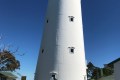
Notes from Sandy Cape Lighthouse
When you are a volunteer caretaker at Sandy Cape Lighthouse, your notebook tends to look a little different to a regular diary of appointments and reminders.
(more…)
Great Sandy Strait Ramsar Management Advisory Group
The Great Sandy Strait Ramsar Management Advisory Group (RMAG) aims to acknowledge the GSS as an outstanding example of a sand passage estuary in a relatively undisturbed state and implement actions to monitor, mitigate and prevent both current and emerging threats to its ecological character.
(more…)
In it for the long term – the Sandy Cape Lighthouse Weeding Program
Lighthouse keepers manned Sandy Cape Lighthouse between 1870 and 1997. Like many lighthouses in remote locations, supplies came in, but nothing left the site, with rubbish dumped ‘over the hill.’ With only tank water, hardy plants were introduced by keepers. Many of these survived and escaped, spreading out over 1Km radius.
(more…)
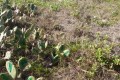
Round Island Weeding Update
Round Island is managed by Fraser Coast Regional Council. Because of the island’s close proximity to the mainland, it is frequently visited by both locals and tourists.
(more…)
Treatment of Planthopper on Pandanus
Over 8–11 June, members of the Lower Mary River Land and Catchment Care Group, Don Bradley, Lesley Bradley and Janet Price, treated 160 Pandanus plants at Kingfisher Bay Resort and Beach Front against infestation by Jamella australiae (Pandanus Planthopper). An effort was made to locate all plants at the resort.
(more…)
Using Bufo Toxin to Control Cane Toads
An innovative scientific trial using cane toads’ own defense mechanism (bufo toxin) against their own spawn could bring about the eradication of these pests from Fraser Island. (more…)
ROUND ISLAND WEEDING DAY: 23 APRIL 2013

In search of “Broad-leaf Pepper”
By Vanessa Elwell-Gavins
As a complete newcomer to Hervey Bay and Queensland (from Tasmania), this trip to Round Island (a follow-up to a weed working bee six weeks earlier) was my first exposure to the task of managing environmental weeds in a sub-tropical environment. (more…)

