Home » Knowledge Sharing (Page 12)
Category Archives: Knowledge Sharing

Managing Values other than Outstanding Universal Value on Fraser Island World Heritage Area
Fraser Island World Heritage Area is recognised for geological and geomorphic values of island formation and for biological processes relating to rainforest succession on high dunes. World Heritage Area listing did not extend to Aboriginal heritage significance, despite the acknowledged tangible and intangible cultural values of Fraser Island (known to Butchulla Traditional Owners as K’gari) in the form of campsites, scarred trees, shell middens, story places and the Indigenous knowledge of landscape and species management. Nevertheless, management of K’gari can and does take Butchulla knowledge into account.
(more…)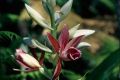
Swamp Orchid now on YouTube
Introduction to Phaius australis – the New Swamp Orchid YouTube channel with 3 video modules profiling USC PhD student Laura Simmons study of Phaius australis the endangered swamp orchid.

Stowaway Antics – a story for children
John Sinclair’s children’s stories always carry a message and this one is no different – with the story of some suburban ants that plan their escape to Fraser Island. Suitable for children or adults (who will also get some fun out of the story), you should approach it with ANT-ICIPATION!
To download John’s story, please click here: Stowaway Antics
Monitoring Sediment Movement Collaboratively
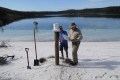
For the past three years, Fraser Island Defenders Organisation (FIDO) has embarked on a monitoring project on Fraser Island. Of particular concern was to try to quantify the impact of sediment movement along Fraser Island roads. FIDO established some posts to collect data on the volume of sand being deposited in some areas – mainly between Eurong and Central Station, with some measurements at Lake McKenzie (Boorangoora). At some sites we were also seeking to assess the extent of down cutting of the roads through measurement and photo-monitoring. (more…)

Bear study highlights public education and physical barriers to avoid conflict
A recent study lead by Ozgun Emre Can from Oxford University may provide some invaluable lessons on reducing dingo-human conflict on Fraser Island. The study which focuses on bears suggests a number of interventions that can be used by land managers.
Fraser Island Native Planting Guide
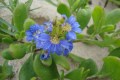
This handy planting guide has been developed to assist landholders and land managers on Fraser Island in selecting local native plant species for use in gardens and landscaping.
The Last Easter Cassia – a children’s story by John Sinclair
Despite being the very best mates, Jacob Jones and Herbert Hancock were fiercely competitive. These two ten-year-olds challenged each other to see who could get the best marks in every subject at school, and who was the best athlete, who scored the most runs in cricket or who had the best computer game score. Life was an endless competition between these two friends. The competition was good for both of them because they were so evenly matched in both scholastic and sporting ability and the competition helped both of them improve their achievements. (more…)
2014 Conservation Calendar Competition
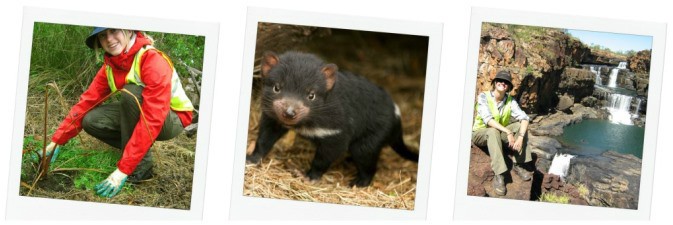
CVA are very excited to be kicking off a brand new photo competition this month. Over the next month we will be asking you to get out around Australia and take photos that celebrate and represent “Conservation in Australia”, to be in the running.
Join the search for Australia’s finest feral photos!
 The Invasive Animals CRC (IA CRC) are once again searching for your photographs of pest or ‘feral’ animals. They are looking for photos showing pest animals living in the wild, the damage caused by pest animals, and also photos that demonstrate the various methods that are available for pest monitoring and humane control. (more…)
Shorebird Monitoring
 Dorothy Pashniak
Shorebird monitoring can be both fascinating and frustrating. The fascination happens during summer when there are thousands of birds to watch, photograph, and count. By the end of summer I usually have a list of questions that will take a while for which to find answers – and then the birds are gone on their northern migration. This is the start of the period of frustration.

