Home » QPWS (Page 10)
Category Archives: QPWS

QPWS Funding for Strategic Pest Management
Annual funding applications for State Government priority pest management projects were recently approved. The Great Sandy National Park (GSNP) and Inskip Peninsula Recreation Area (IPRA) received a substantial part of the allocated funding.

Irresponsible Pet Owners Impact K’gari Wildlife
A recent rise in reports and images of domestic dogs on K’gari has prompted Queensland Parks and Wildlife Service along with concerned stakeholders to release media requests asking all visitors to leave their dogs at home when they visit World Heritage listed Fraser Island (K’gari).

Bitou Bush Surveillance UAV trial
Bitou bush has the ability to out compete and smother native coastal dune vegetation. Infestations within the Great Sandy National Park have been dramatically reduced since the 1980’s, with only isolated plants being found in the field today.

Eyes All Around – ‘SNAP’ gotcha!
Trail cameras are an integral part of protected area management throughout the world and a useful tool where resources for field observations are limited. Within the Great Sandy National Park, cameras are utilised and applied to the management of threatened fauna species, feral animal activity, compliance and dingo conservation. The process of going through the images can be long and at times surprising, but the rewards are worth it. (more…)

Walking Track Upgrade for Northern Champagne Pools Access
Track maintenance is an ongoing process throughout all National Parks, and with K’gari boasting over 100 kilometres of walking tracks, maintenance and upgrade works are a regular occurrence. QPWS rangers recently upgraded the northern section of the Champagne Pools access track to prevent erosive processes and reduce maintenance by installing recycled plastic trail pads. (more…)

NAIDOC Celebrated K’Gari Style
Eurong (place of rain) was the gathering place for recent NAIDOC celebrations hosted by QPWS Butchulla rangers who proudly organised an informative session and displayed an array of traditional hunting tools, beautifully painted implements, artefacts and local bush tucker for participants to enjoy. (more…)

The final straw – a subject for deflation
Stranded wildlife is continually washed up on coastal and island regions throughout the state and a routine part of coastal ranger business. A variety of species, from marine mammals, turtles and birds, are routinely recorded by QPWS staff and volunteers. In most instances this allows for reporting of cause and trends to advise management of best possible practice and influence legislation, such as concerning go slow zones and fisheries.
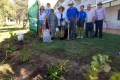
A little landscaping improves the natural integrity
Back in 2011, FINIA had a dilemma about how to use the nursery-raised plants using island genetic stock that needed planting out. It was resolved to plant them at the western entrance to Eurong as a demonstration garden. (more…)
Mibir (turtle) nesting and hatching on K’gari
Marine turtle season is coming to an end. The adult courting males and nesting females have returned to their home areas from hundreds of kilometres abroad, and hatchlings are emerging from their underground incubation period to embark on their life journey. Only 1 in 1000 make it to maturity, around 35–50 years old.
North Fraser Island (K’gari) has a small turtle rookery with a seasonal night driving curfew, where green turtles (Chelonia mydas) and loggerhead turtles (Caretta caretta) court and breed, and females deposit their precious cargo of eggs into the dunes before leaving the young to their fate. These eggs (over 70%) also provide seasonal food resources for wildlife, including dingoes. (more…)
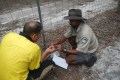
Firebreak Upgrades – a Critical Interface Zone
A state-wide ‘I-zone’ initiative for the protection of ‘at risk’ private infrastructure on boundary interfaces with QPWS tenure provided funding for a review of the current firebreaks on Fraser Island (K’gari).
(more…) FINIA
FINIA 