Queensland’s fire ant biosecurity zones have been updated (effective 15 April 2026). These updates affect suburbs across City of Logan, City of Gold Coast, City of Moreton Bay, Lockyer Valley Regional, Scenic Rim Regional, and Sunshine Coast Regional local government areas.
If you live or operate a business within these zones, it’s important to understand the movement requirements before transporting materials that can carry fire ants such as baled hay or straw, manure, mulch, potted plants, quarry and mining materials, soil, and turf. Fire ants can hitch a ride in equipment or materials that have been in contact with soil or stored outdoors.
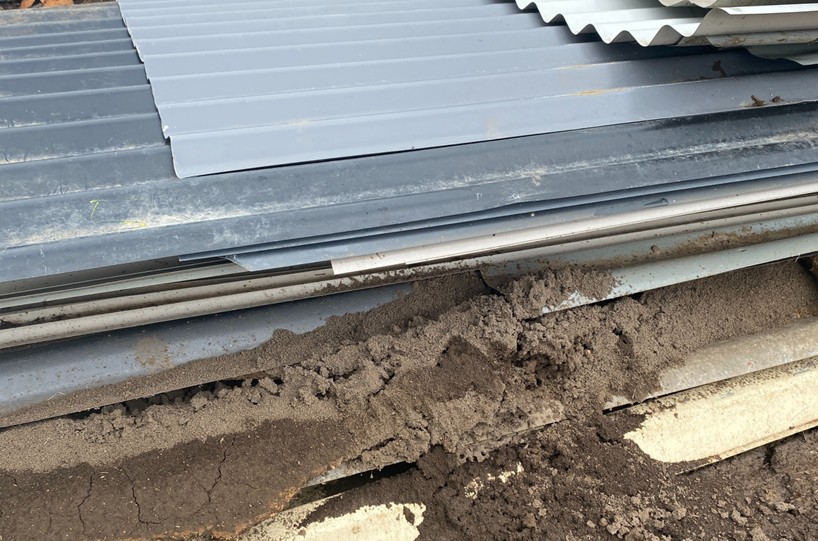
Pallets of wood or sheet metal can also transport Fire Ants (Photo: NFAEP)
Fire ants can also travel through non-traditional materials and equipment that have no specific movement control requirements but are increasingly high-risk. These include:
- Pallets or palletised materials—such as bricks, bagged products, steel equipment
- Machinery or equipment—items with soil, organic matter, or moisture
- Large structures—shipping containers, site sheds, portable offices
- Other items—traffic cones, skip bins, fencing materials.
Any item stored outdoors on the ground for an extended period is high-risk and considered a non-traditional material or carrier.
Before you buy, sell, or move these items, check the zones and understand the movement requirements.
It’s a simple step that helps protect your property, business, and the wider community.
Article from Fire Ant News, National Fire Ant Eradication Program

