Chris Loorham’s memoir is a rich, engaging, and historically valuable contribution to Australian environmental history. It blends personal narrative, legal analysis, and political context to illuminate the Fraser Island Environmental Inquiry (1975–76), a pivotal moment in the evolution of Commonwealth environmental powers. The paper succeeds in offering both a reflective personal account and a substantive explanation of how respectful relationships, inclusive leadership, and independent inquiry shaped a landmark conservation outcome.
The Fraser Island Inquiry is widely acknowledged as a turning point in Australian environmental governance, yet firsthand accounts are scarce. Loorham’s narrative fills this gap by documenting the inquiry’s internal dynamics, including the commissioners’ commitment to independence and clarity. For example, he recalls discussions about ensuring recommendations were “clear and unambiguous” to avoid tokenistic government responses.
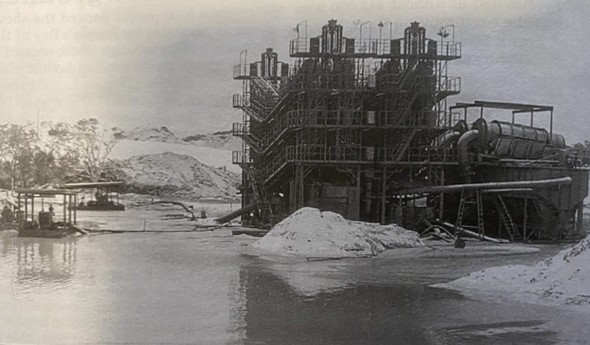
The article’s strongest feature is its insider perspective. Loorham’s role as a young legal adviser allows him to recount moments that would otherwise be lost to institutional memory including campfire conversations, bureaucratic tensions, and the emotional weight of Butchulla testimony. These recollections give the paper a vividness rarely found in legal or policy histories.
The camping tour, shared meals, and interpersonal dynamics bring the inquiry to life. The anecdote about the forester scolding a mining executive for wasting a match is both humorous and illustrative of the culture of the time.
A particularly compelling section recounts the author’s efforts to ensure Aboriginal voices were heard. The testimony of Olga Miller is described with care and respect, including her story of ancestors seeing “a big white bird on the horizon”, Cook’s Endeavour. This material underscores the cultural depth of K’gari and the importance of Indigenous knowledge in environmental decision-making.
The paper avoids simplistic partisanship. It notes that the Whitlam Government established the inquiry, but the Fraser Government implemented its recommendations, an example of rare bipartisan environmental action.
This memoir is a valuable and engaging contribution to the history of Australian environmental law and activism. Its blend of personal reflection, legal insight, and political context makes it both informative and enjoyable to read. The paper preserves important institutional memory and highlights lessons that remain relevant today, particularly the power of inclusive leadership and independent inquiry in resolving environmental conflicts.
The paper deserves a place in the scholarly conversation about environmental governance, public inquiries, and the evolution of Commonwealth environmental powers.
Chris Loorham’s paper is available free to download here.
Review contributed by Dr Kim Walker, University of the Sunshine Coast

